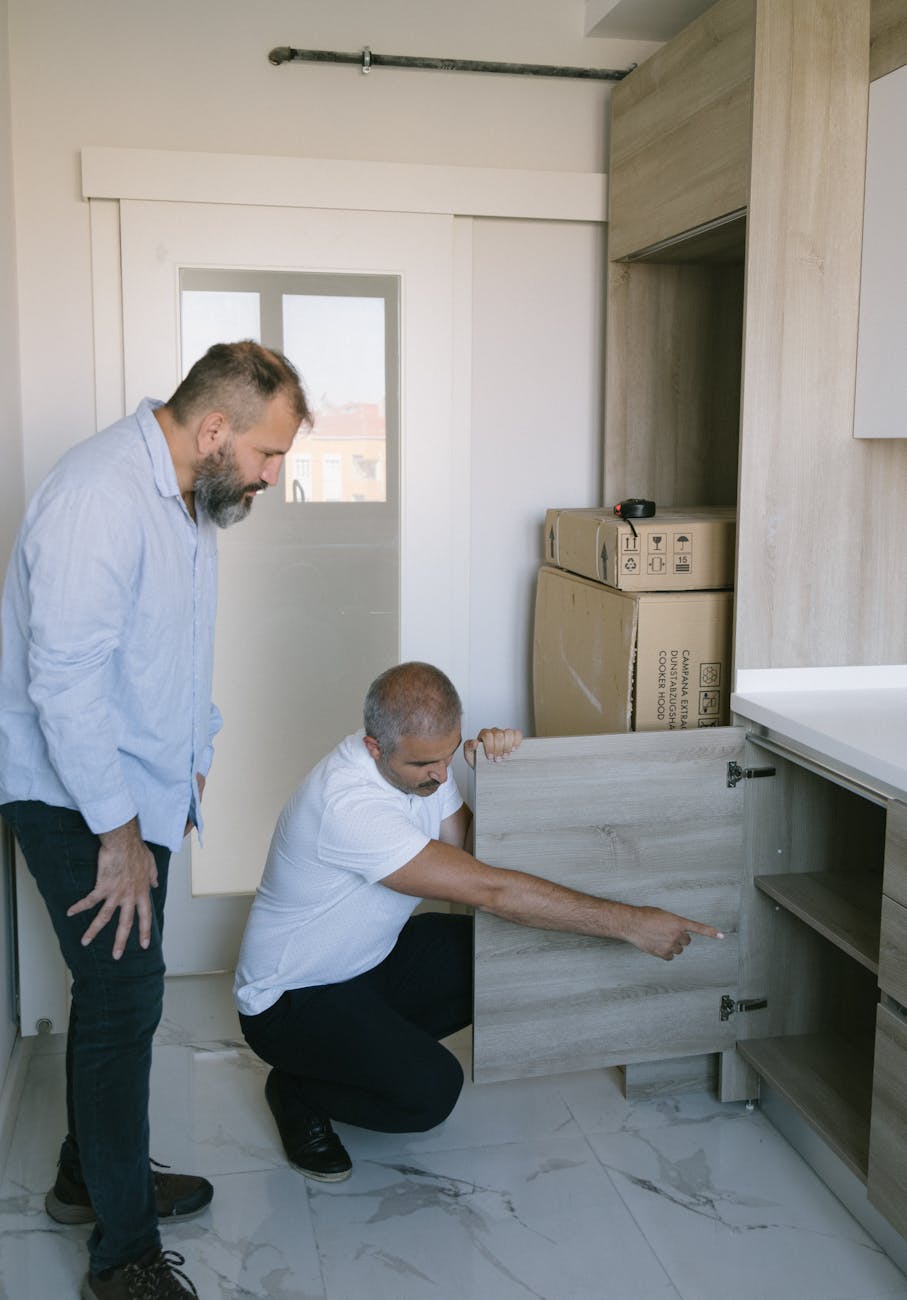
Why Pre-Listing Home Inspections Are a Smart Move for Sellers
In today’s real estate market, buyer hesitation before closing is on the rise—often triggered by a less-than-ideal inspection report. One solution is helping deals stay on track: pre-listing inspections.
What Are Pre‑Listing Home Inspections?
Simply put, a pre-listing inspection is a professional home inspection conducted before a property is put on the market. The seller pays for it and receives a comprehensive report outlining the condition of the home — from plumbing and HVAC systems to roofing, electrical panels, and structural elements.
Why It’s Gaining Popularity
- Catch Problems Early
Sellers learn about—and can fix—issues on their own timeline, without the pressure of a closing deadline. This prevents lowball offers or outright cancellations once a buyer’s inspector flags something “unexpected.” A growing number of sellers report deals falling apart even over minor repair needs. - Increase Buyer Confidence
Having a clean inspection report in hand—or revealing prior issues that have been resolved—boosts trust. Buyers may even skip their own inspections or at least feel more confident moving forward. - Strengthen Negotiation Position
Armed with upfront knowledge, sellers can price the home accurately and reduce surprise-driven concessions later on. It removes ambiguity and levels the playing field in negotiations.
Is It Worth the Cost?
Pre-listing inspections usually cost between $300–$600—roughly the same as a buyer’s inspection. While it’s an additional expense for sellers, many consider it an investment that can save time, avoid disruptions, and even prevent deals from collapsing at the 11th hour.
Tips for Sellers Considering This Strategy
- Choose a trusted inspector, ideally one with a solid record and no connection to the listing agent, to maintain credibility. Your Keller Williams REALTOR can recommend reputable home inspectors.
- Review findings carefully with your real estate agent to determine which repairs are necessary versus those that can be disclosed without repairing.
- Decide how much to share—some sellers offer a full, detailed report; others share a summarized version that highlights key info without overwhelming buyers. You can choose to only provide the page referencing the issue, if requested, rather than sharing the whole report.
- Use it in marketing—show that your home is “inspection ready,” potentially attracting more confident buyers who appreciate transparency.
Potential Downsides to Be Aware Of
- Mandatory disclosures: In many regions, findings must be shared with potential buyers, even if issues have been fixed.
- Not a guarantee: Buyers often order their own inspection anyway, and they may unearth new issues.
- May scare some buyers: A detailed pre-listing report might unnecessarily alarm cautious buyers—even if problems are minor.
Final Word: A Smart, Proactive Strategy
While not required, a pre-listing inspection is a powerful tool that helps sellers control the narrative. It can:
- Reduce deal-breaking surprises
- Increase negotiation power
- Build buyer trust
- Potentially speed up the sale
If you’re preparing to list your home with a Keller Williams agent — especially if your home is older or hasn’t been recently inspected — consider whether this upfront step could help you close the deal smoothly. The cost may be modest compared to what you could lose in a renegotiated or canceled sale.
Ready to Take the Next Step?
Talk to your Keller Willams Florida REATOR about:
- Recommended inspectors in your area
- Which findings require repairs vs. disclosure
- How to integrate the report into your home listing materials
By taking control and showing transparency early, you not only reduce risk—you may also gain the competitive edge needed to sell confidently.
 KELLER WILLIAMS NAPLES FLORIDA | Naples, Ft. Myers, Sanibel, Marco Island & Cape Coral Real Estate